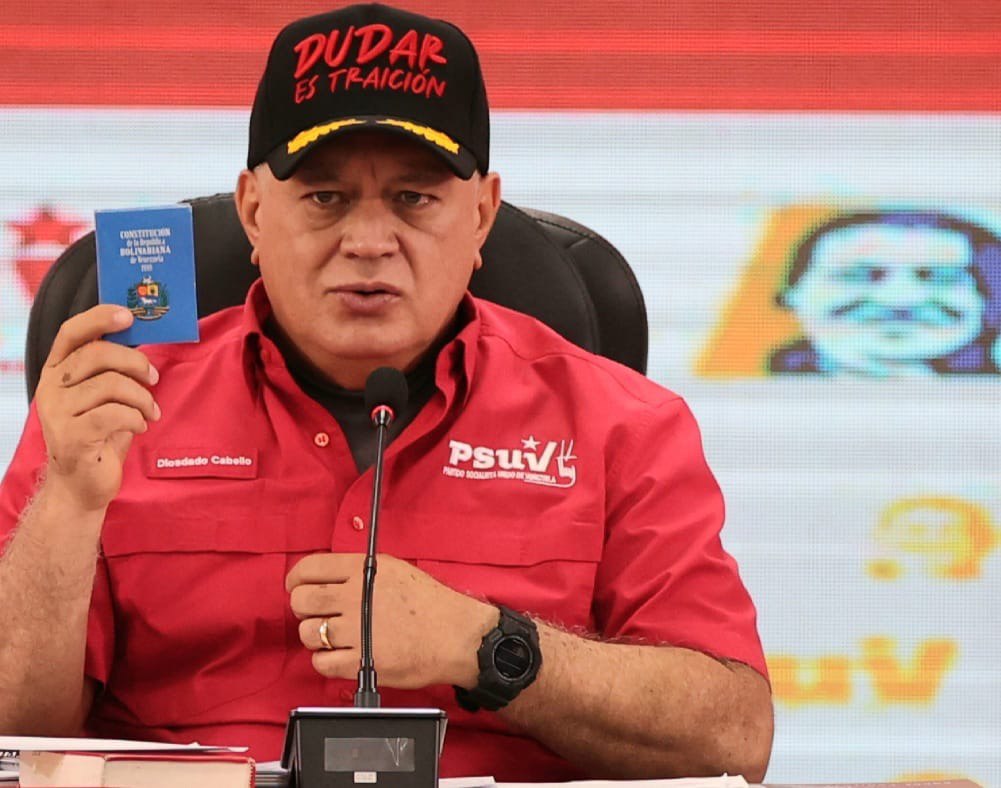
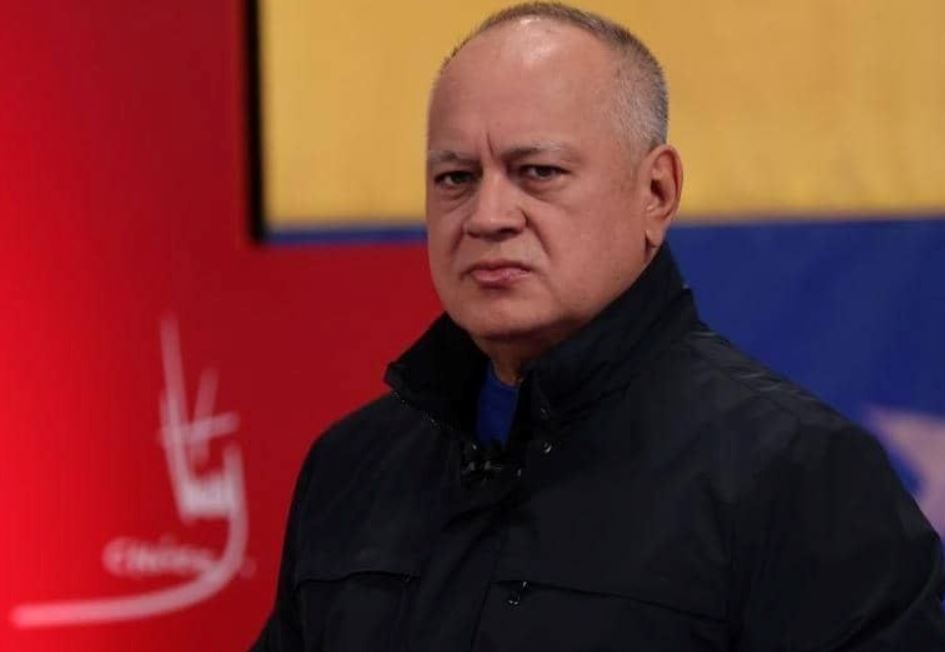
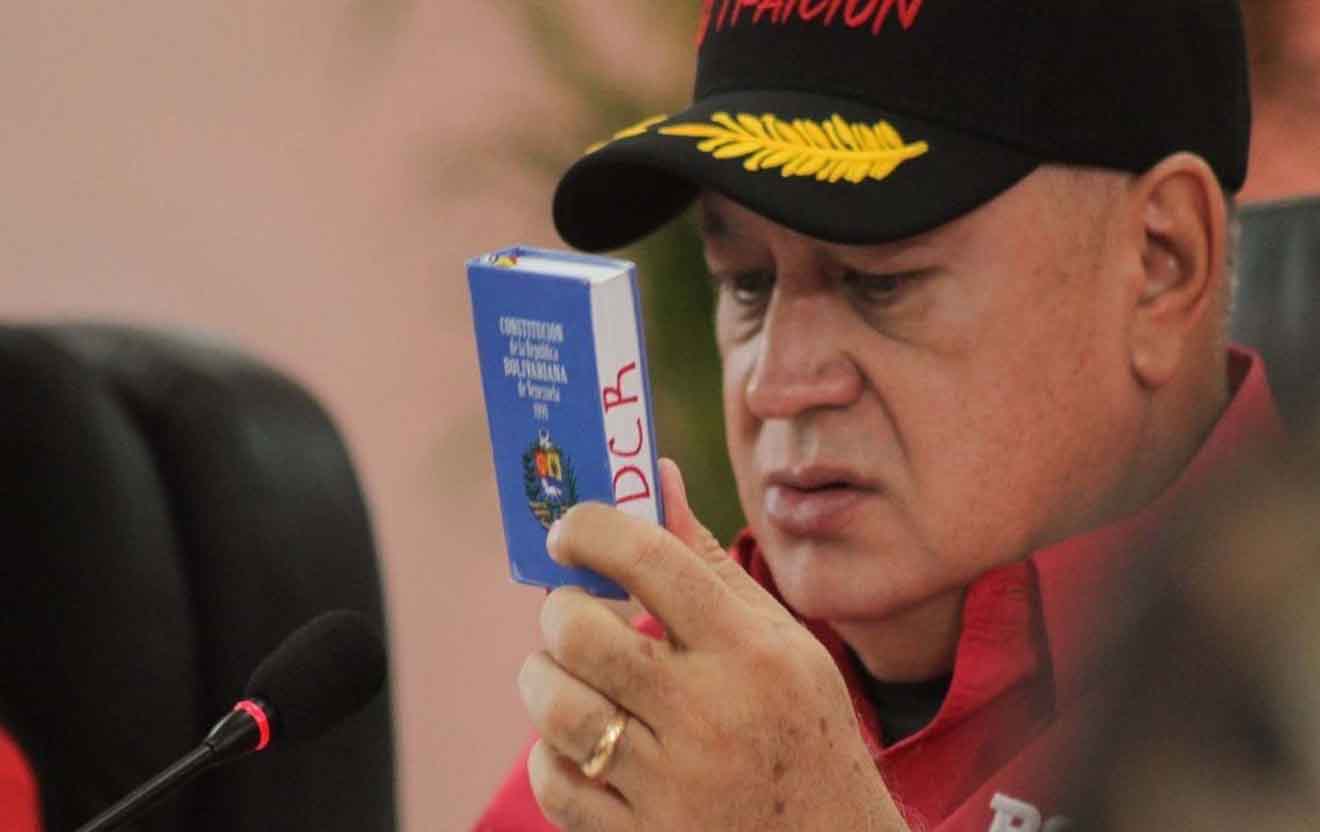
Diosdado Cabello, secretary-general of the PSUV, has publicly reported that more than 800 prisoners — often specified as 808, including Venezuelans and foreigners — have been released in Venezuela since around November–December by order of President Nicolás Maduro. Both Opposition and Government-aligned outlets agree that Cabello links these releases to a broader plan or policy for national peace and coexistence, that serious crimes such as homicide, drug trafficking, and pedophilia are expressly excluded from the benefits, and that he frames the process as ongoing rather than completed. They also concur that Cabello has sharply criticized NGOs and human-rights groups, accusing them of profiting from detainees’ cases and rejecting any role for them or for external actors in drawing up release lists or influencing the process.
Across the spectrum, coverage recognizes that Cabello situates the releases within the institutional framework of state policy led by Maduro and the PSUV, insisting that decisions are made unilaterally by Venezuelan authorities. Both sides acknowledge that Cabello explicitly denies the existence of political prisoners in Venezuela and instead characterizes detainees as common criminals, even while they are being released under a coexistence or dialogue initiative. It is also uncontested that Cabello rhetorically inverts the political-prisoner narrative by referring to Maduro himself as a political prisoner of the United States, and that he uses this argument to question the consistency of international and domestic advocacy groups. There is shared recognition that these developments are connected to broader themes of peace, dialogue, and national unity, at least in official discourse, even if their meaning and sincerity are interpreted differently.
Points of Contention
Nature of the detainees. Opposition outlets highlight Cabello’s insistence that there are no political prisoners as a denial of well-documented cases of people jailed for dissent, stressing that the authorities are relabeling these detainees as common criminals. Government-aligned media amplify Cabello’s framing that those released are not political prisoners but individuals whose cases were reviewed within normal legal channels, and that serious offenders remain imprisoned. While Opposition coverage stresses the political profile of many detainees and the lack of transparent judicial procedures, Government-aligned sources focus on technical criteria like crime categories to legitimize the releases.
Role and portrayal of NGOs. Opposition coverage presents Cabello’s accusations that NGOs extort families as an aggressive smear aimed at discrediting organizations that document abuses and advocate for political prisoners, often noting that he offers no verifiable proof. Government-aligned outlets largely reproduce his claims that NGOs are centers of blackmail, funded from abroad and profiteering from detainees’ suffering, to justify excluding them from the process. Opposition sources frame NGOs as necessary watchdogs in an opaque system, whereas Government-aligned media treat them as foreign-influenced intermediaries whose involvement would politicize or corrupt state decisions.
Source of initiative and external pressure. Opposition media question Cabello’s narrative that releases are purely sovereign state decisions, implicitly linking them to international pressure, negotiations, or image management ahead of political milestones. Government-aligned coverage emphasizes that Maduro gave the orders independently and that the Venezuelan state alone decides who is released, explicitly rejecting any notion that foreign governments, international organizations, or local NGOs provide lists or conditions. For Opposition outlets, the timing and messaging suggest a tactical concession under pressure, while pro-government outlets present the process as a voluntary gesture of dialogue and peace.
Political messaging and reciprocity. Opposition reports dwell on Cabello’s argument that if advocates truly believed in freeing political prisoners they would also demand Maduro’s release from U.S. custody, interpreting this as a deflection meant to relativize domestic detentions and muddy accountability. Government-aligned media echo this line to accuse critics of hypocrisy, casting Maduro as a victim of foreign political persecution and using that narrative to delegitimize demands centered on Venezuelan prisoners. Thus, Opposition outlets read Cabello’s rhetoric as an attempt to reframe the debate away from internal repression, while Government-aligned sources use it to fuse national-sovereignty discourse with the prisoner-release storyline.
In summary, Opposition coverage tends to portray the releases as politically driven, incomplete steps taken under pressure and accompanied by attacks on legitimate human-rights work, while Government-aligned coverage tends to frame them as a sovereign, orderly policy for peace led by Maduro, with NGOs depicted as corrupt or foreign-influenced actors rightly excluded from the process.