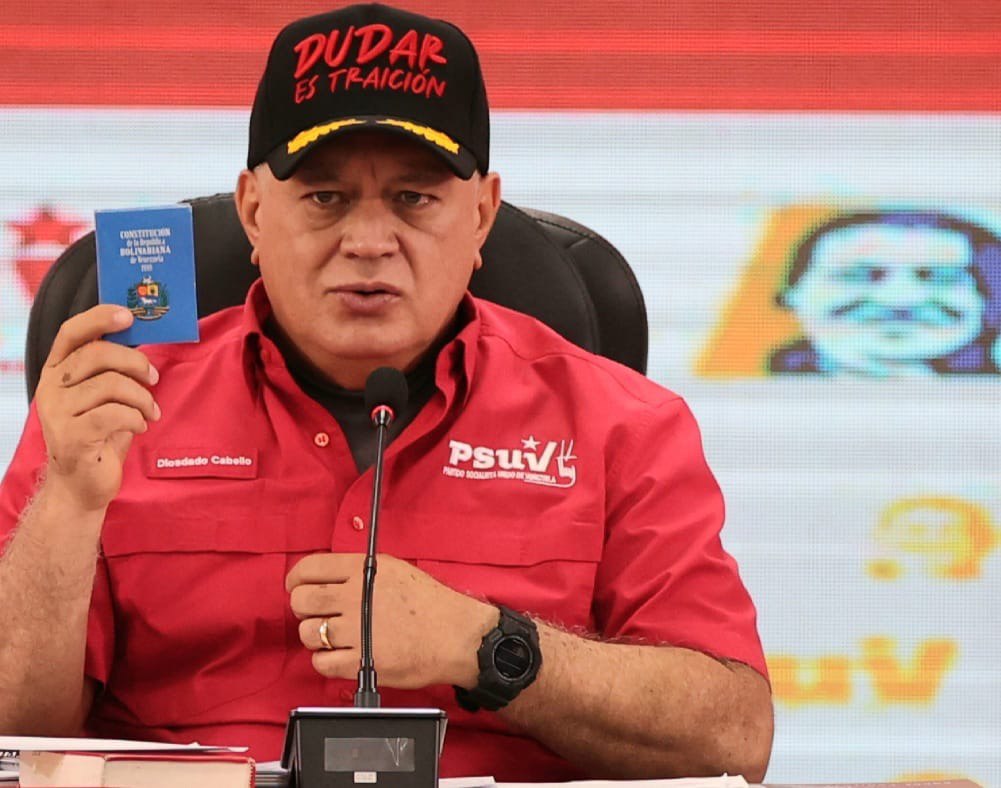
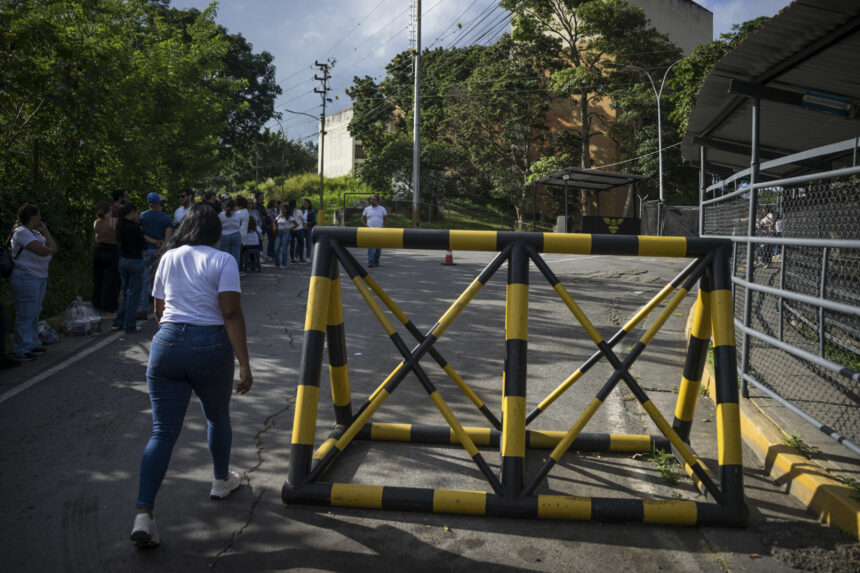
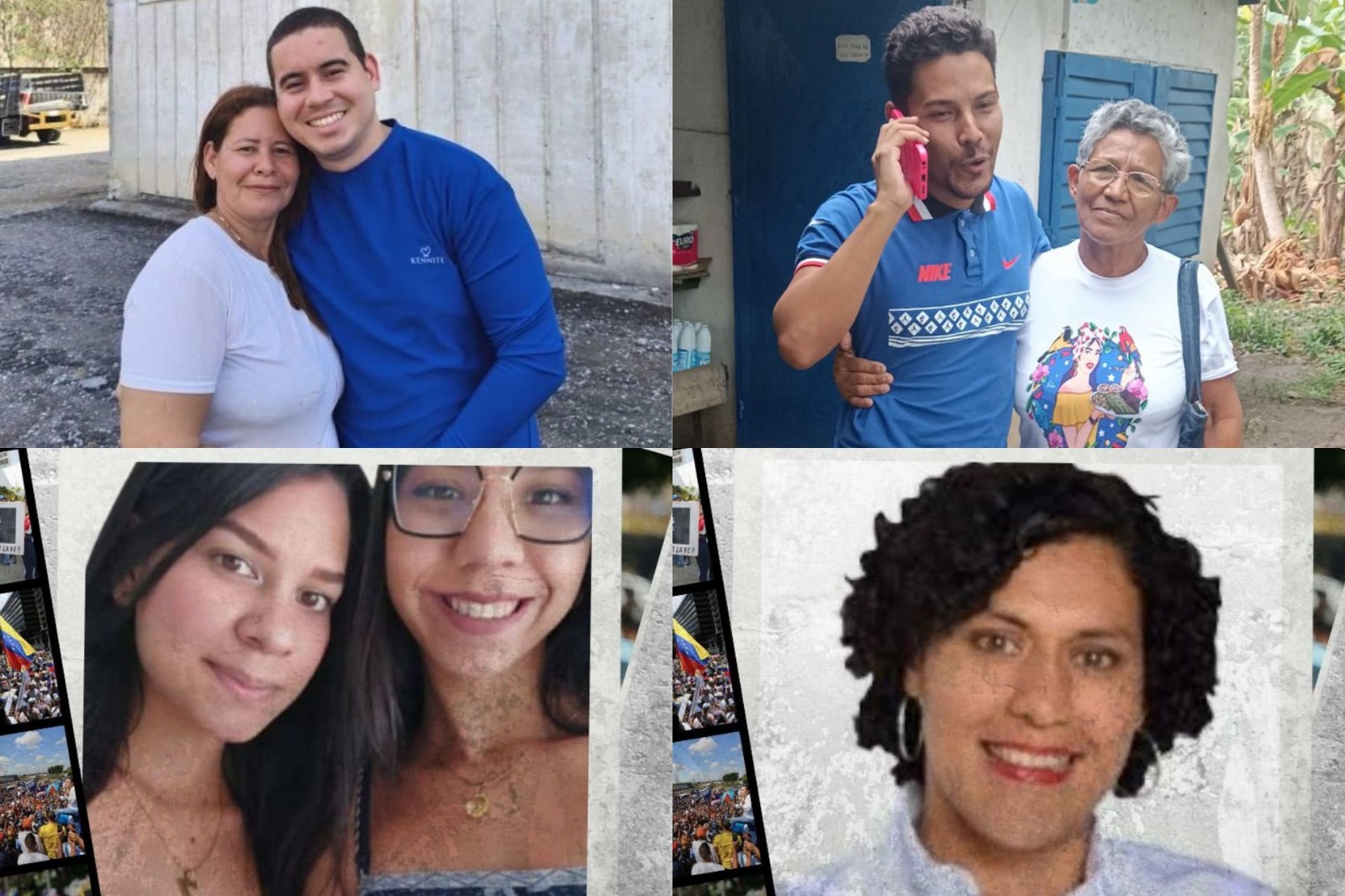
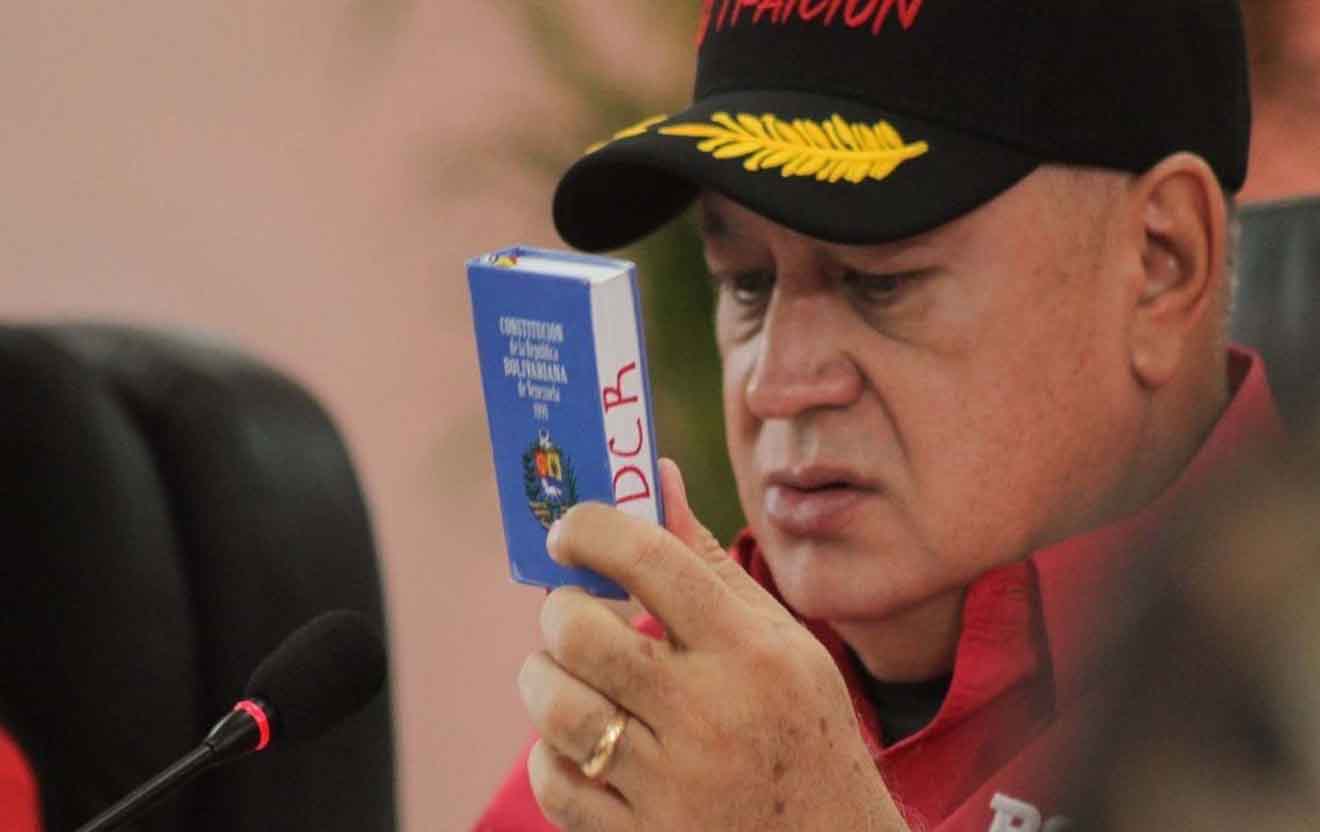
Venezuelan and international coverage agree that the government has initiated a wave of prisoner releases since early January, following announcements by senior officials such as Jorge Rodríguez, Delcy Rodríguez, and Diosdado Cabello. Both Opposition and Government‑aligned reports describe staged releases over several days, with a key date around Thursday, January 25, when dozens of prisoners were freed from facilities including El Rodeo I in Miranda, and scenes of families applauding and greeting those returning home were widely reported. While the exact count varies by source, there is broad acknowledgment that several hundred detainees have been released since November or early January, with named cases such as journalism student Juan Francisco Alvarado and lawyer Kenny Tejeda Jiménez cited as beneficiaries. Both sides concur that individuals convicted or accused of serious crimes like homicide, drug trafficking, and pedophilia are being excluded from these measures, as repeatedly stated by government officials.
Across the spectrum, outlets agree that the releases are framed as part of a broader state policy or program for peace, coexistence, and political de‑escalation, led by high‑ranking institutions of the Venezuelan state. Coverage from both perspectives notes that the process has been centrally directed from the executive branch, in particular via orders from President Nicolás Maduro and implementation by ruling party leaders in the PSUV and other state entities. There is also a shared understanding that these actions take place in a context of long‑running disputes over political imprisonment, human rights, and the role of NGOs like Foro Penal, as well as ongoing international attention from actors such as the United Nations and the United States. Both sides recognize that, whatever the motivations, the releases affect people who have spent years behind bars and that the events have significant implications for families, social reintegration, and Venezuela’s broader political climate.
Points of Contention
Numbers and scope of releases. Opposition sources emphasize discrepancies between official figures and independently verified data, highlighting that Foro Penal confirms around 266 releases against government claims of more than 800, and stressing that many political detainees remain in custody. Government‑aligned outlets foreground the higher official total of 808 releases since November or earlier, presenting it as firm evidence of a broad and generous measure ordered by Nicolás Maduro. Opposition coverage questions the lack of a complete, public list of beneficiaries and suggests the process is more limited and selective than advertised, whereas Government‑aligned media treat the official tally as authoritative and rarely interrogate its methodology or omissions.
Nature of the prisoners and terminology. Opposition outlets consistently refer to those released as political prisoners or victims of arbitrary detention, underscoring that many were jailed for activism, protest, or dissent and that they should never have been imprisoned. Government‑aligned coverage rejects the category of political prisoners outright, insisting that detainees are common criminals or individuals with legally adjudicated cases, and only those not implicated in serious crimes are being considered. Where Opposition reporting places the focus on individual stories of repression and unjust incarceration, Government‑aligned media frame the same people as part of a regular justice system review, warning that some NGOs fabricate the label of political prisoner for financial or political gain.
Role of NGOs and international actors. Opposition coverage gives central weight to organizations like Foro Penal as key verifiers of facts, citing their lists and statistics to challenge official narratives, and also mentions possible UN involvement to audit or verify releases. Government‑aligned outlets portray NGOs as illegitimate and externally funded actors, denouncing them as extortionists who charge families to appear on supposed release lists and categorically denying any NGO role in decision‑making. While Opposition stories treat international scrutiny and NGO monitoring as safeguards for transparency and human rights, Government‑aligned reports depict the same actors as instruments of foreign pressure and disinformation that the sovereign state must firmly exclude.
Characterization of motives and conditions. Opposition media acknowledge the emotional relief of reunions but argue that many releases amount to conditional freedom, stressing ongoing judicial control, reporting duties, and restrictions that curtail civil and political rights indefinitely. Government‑aligned outlets, in contrast, present the measures as a unilateral, humanitarian initiative of the Maduro government aimed at national reconciliation and peace, explicitly denying that they result from negotiation or external coercion. For Opposition sources, the staggered, opaque nature of the process signals a strategy to manage political costs while keeping leverage over dissidents, whereas Government‑aligned narratives emphasize orderliness and sovereign decision‑making, downplaying or ignoring claims of continuing legal persecution.
In summary, Opposition coverage tends to frame the releases as partial, opaque, and politically instrumental steps that leave underlying repression and legal control mechanisms intact, while Government-aligned coverage tends to depict them as a large-scale, sovereign, and benevolent initiative driven by state policy for peace and coexistence, with NGOs and foreign actors cast as discredited or hostile observers.