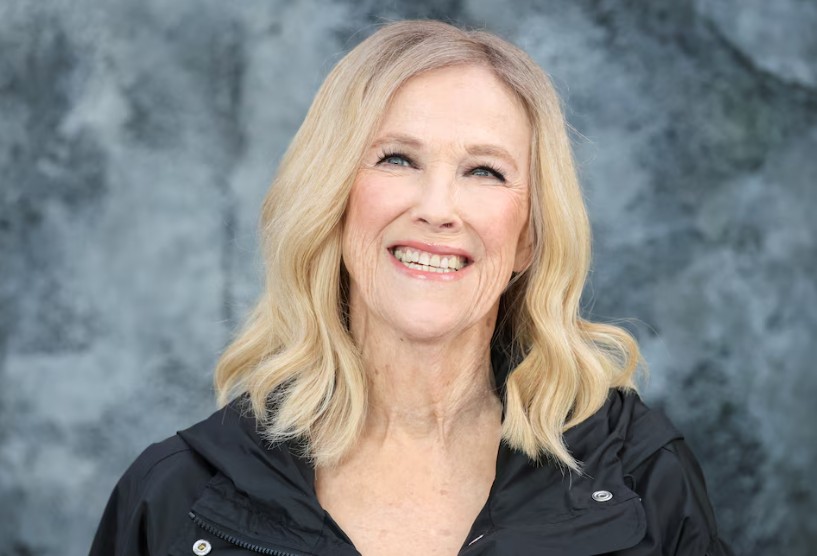
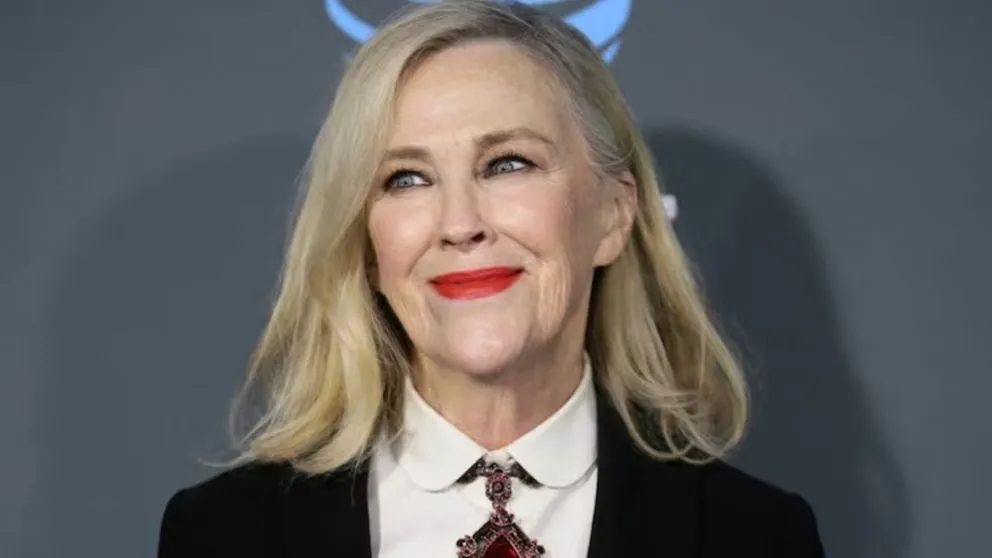
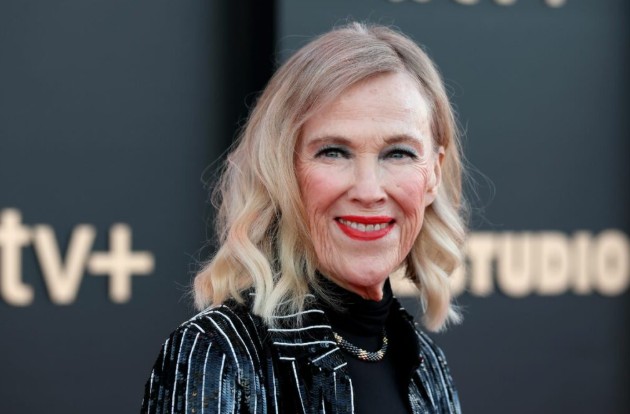
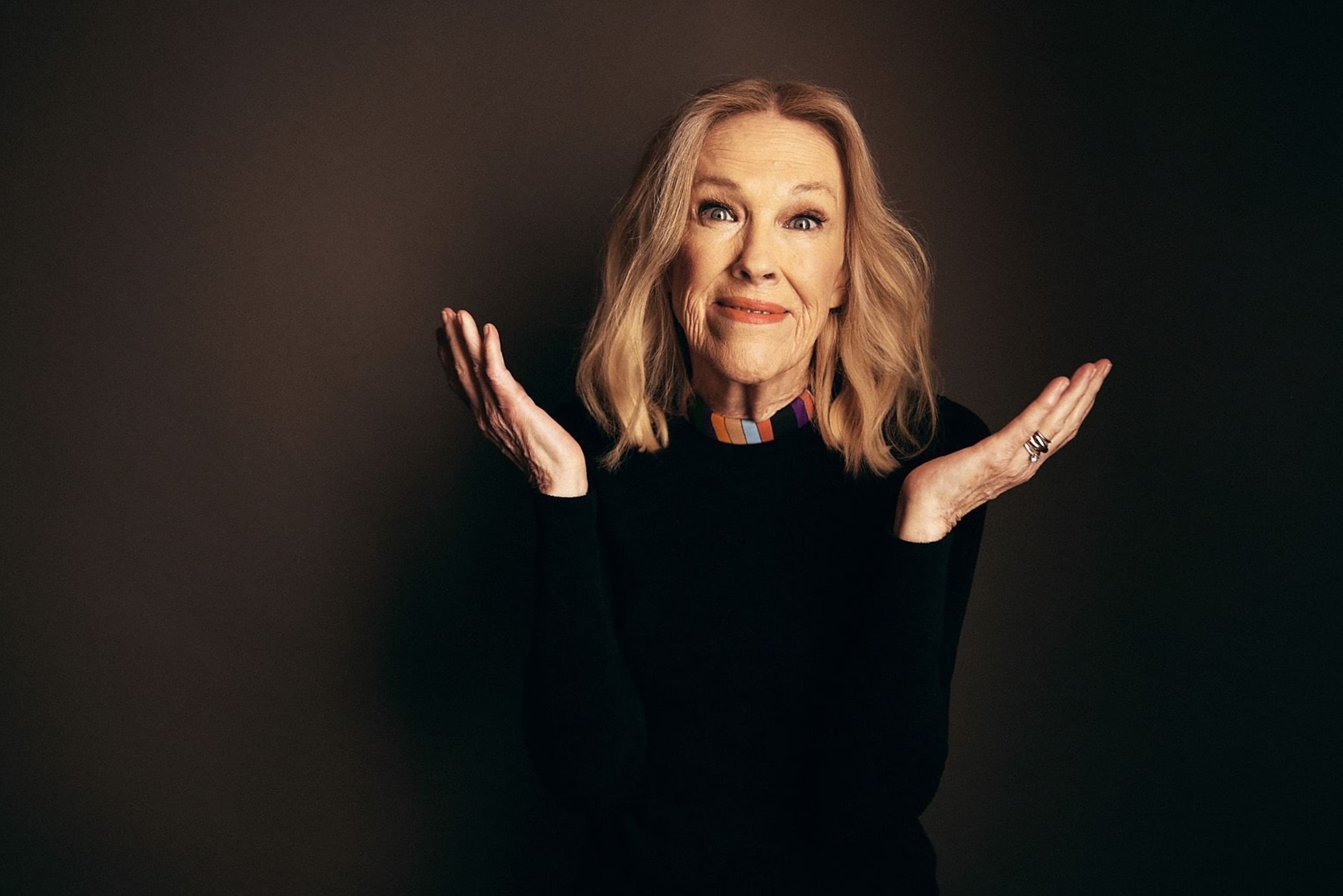
Catherine O’Hara, a Canadian-born actress famed for her comedic roles in films like “Home Alone” and “Beetlejuice” and the series “Schitt’s Creek,” has died in Los Angeles at the age of 71. Both Opposition and Government-aligned outlets agree that she experienced serious breathing difficulties at her California home, emergency services were called, and she was taken to hospital in critical condition before her death was confirmed, with her representatives and Creative Artists Agency citing a brief illness and not disclosing a detailed official cause. Coverage from both sides notes her long collaboration with Eugene Levy, her early work with Second City/SCTV, and her status as a beloved figure whose death prompted emotional tributes from colleagues and fans, including Macaulay Culkin, who played her son in the “Home Alone” films.
Across the spectrum, reports emphasize her decades-long career spanning sketch comedy, blockbuster films, and acclaimed television, underlining her transition from improvisational stages in Toronto to global recognition. There is shared focus on her awards and critical acclaim, including multiple Emmys and a Golden Globe for “Schitt’s Creek,” as well as her versatility in live action and voice roles in animation. Both Opposition and Government-aligned outlets situate her death as a major cultural loss for North American entertainment and highlight her continued relevance through recent projects like Apple TV+’s “The Studio,” noting that she remained professionally active and in demand up until shortly before her passing.
Points of Contention
Medical detail and cause. Opposition outlets largely frame the cause of death as officially undisclosed or attributed broadly to a brief illness, centering the 911 call, respiratory distress, and hospital transfer without speculating beyond that. Government-aligned coverage, while also citing a brief illness, foregrounds her rare congenital condition, dextrocardia with situs inversus, explaining its potential links to respiratory issues and lung infections. Opposition pieces tend to avoid connecting underlying anomalies to the death, whereas Government-aligned stories implicitly invite readers to see the anomaly as an important, if not definitively causal, part of the medical narrative.
Tone and focus of obituary. Opposition-aligned sources emphasize her artistic trajectory and legacy, devoting more space to career milestones, collaborations, and fan and colleague reactions, and treating the medical particulars as a secondary layer of reporting. Government-aligned outlets, while acknowledging her achievements and awards, give proportionally more space to the unusual medical backstory as a human-interest hook. As a result, Opposition coverage reads more like a traditional tribute and career retrospective, while Government-aligned coverage often feels like a blend of obituary and medical curiosity story.
Framing of final days and professional plans. Opposition reports highlight that O’Hara was expected to participate in upcoming seasons of “The Studio” and note her recent absences from events like the Golden Globes as retrospectively poignant but not widely seen as alarming, underscoring how sudden the loss felt to colleagues. Government-aligned coverage mentions her death at home after a brief illness but gives fewer details about future projects or industry expectations, focusing instead on biographical and medical context. This leads Opposition narratives to stress the abrupt interruption of an active career, while Government-aligned narratives stress the long-term, largely hidden medical backdrop.
Use of personal anecdotes. Opposition-aligned media lean heavily on emotional tributes and long-running professional relationships, such as Macaulay Culkin’s farewell and her past public praise of him, to frame her death in terms of personal bonds and generational impact. Government-aligned outlets instead spotlight her own humorous retelling of discovering her reversed organs, using that anecdote to illustrate her character and approach to adversity. Thus, Opposition pieces build intimacy through colleagues’ grief and shared history, whereas Government-aligned pieces build intimacy through O’Hara’s self-narrated medical story.
In summary, Opposition coverage tends to prioritize Catherine O’Hara’s artistic legacy, emotional tributes, and the shock of an apparently sudden loss with limited emphasis on medical specifics, while Government-aligned coverage tends to balance recognition of her career with a pronounced focus on her rare congenital condition and its explanatory or human-interest value.