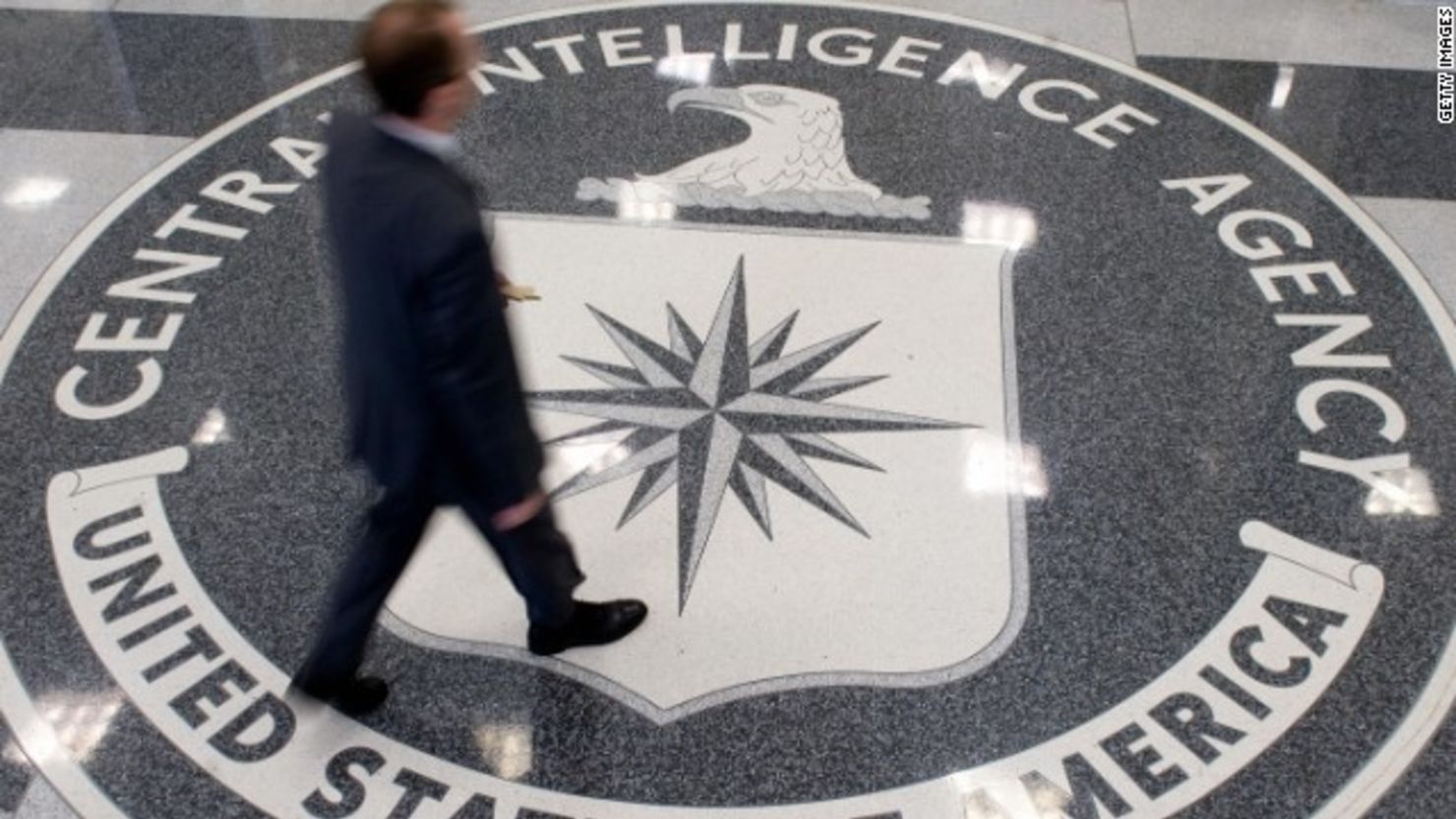
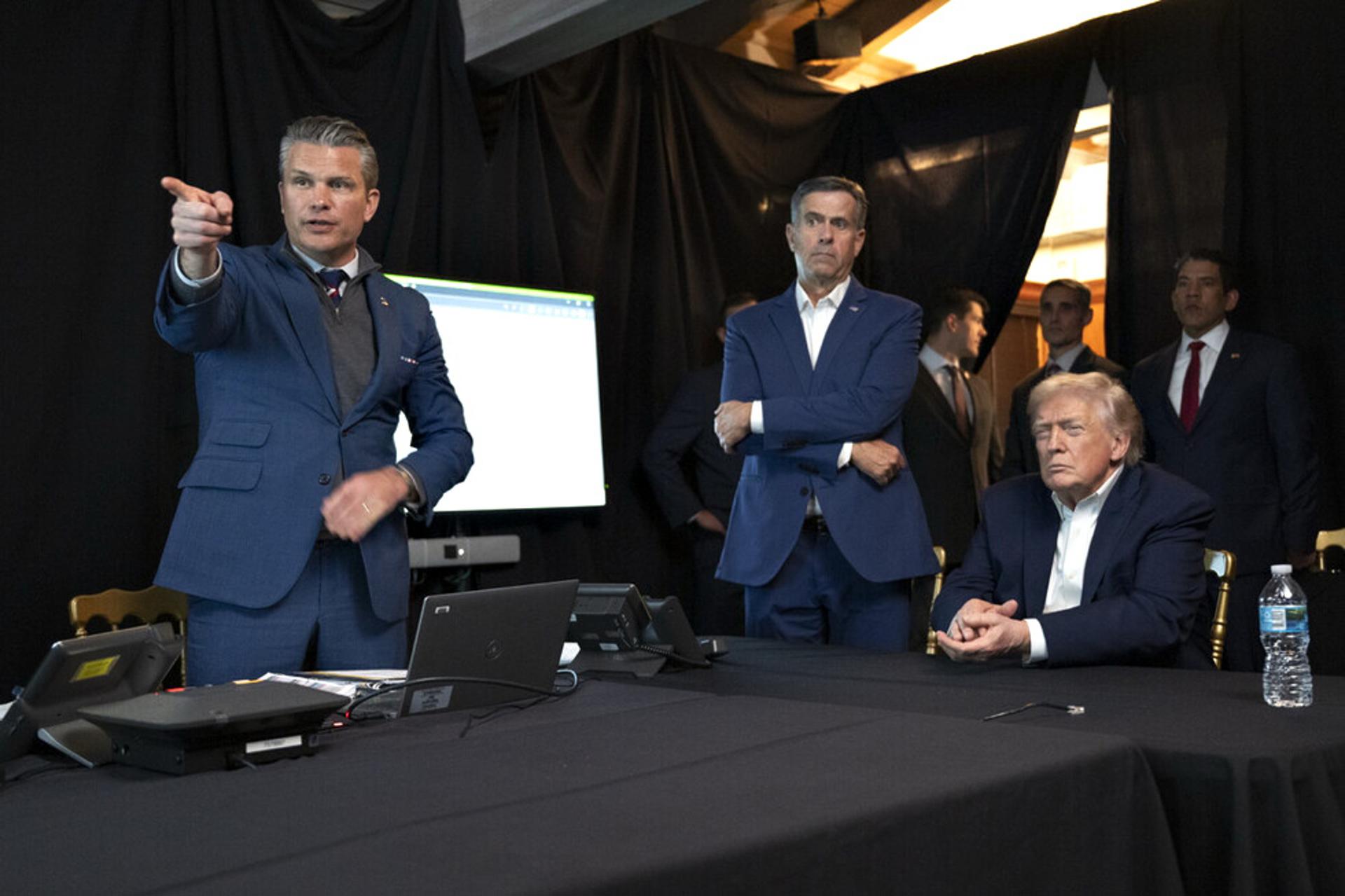
CNN and other opposition-aligned outlets report, citing unnamed US officials and intelligence sources, that the CIA is quietly working with the State Department to establish a permanent US presence on the ground in Venezuela, centered in Caracas. They agree that this effort is framed as part of a broader post-Maduro scenario, following Nicolás Maduro’s capture and amid a volatile political transition and unstable security situation, with the CIA expected to spearhead the initial phase before a full-scale diplomatic mission is restored. These reports describe short-term steps such as operating from a CIA annex, moving logistical material via LM-100J Hercules transport aircraft linked to US intelligence, and preparing infrastructure that would eventually support an official US embassy and expanded diplomatic footprint.
Opposition coverage also converges on contextual elements: that the initiative is coordinated with the US State Department and tied to long-term US engagement in Venezuela’s political and economic future, and that private and foreign actors such as Chevron, a Qatari magnate, and other intermediaries are portrayed as influential in shaping the post-Maduro landscape. Across these reports, there is shared acknowledgment of complex negotiations involving segments of the Venezuelan government, the Catholic Church, and human rights groups, including around figures like Rafael Tudares, as well as references to recently approved reforms such as changes to the Hydrocarbons Law allegedly pushed by Washington. Both sides would recognize key institutions and actors at play—the CIA, US State Department, interim authorities around Delcy Rodríguez, and major energy interests—as central to understanding why the US is investing in a lasting presence in Venezuela and how this fits into longer-term regional strategy.
Points of Contention
Motives and objectives. Opposition-aligned sources depict the CIA initiative as an attempt to stabilize and influence Venezuela’s transition after Maduro’s capture, emphasizing security support, protection of emerging institutions, and preparation for normalized diplomatic relations. By contrast, government-aligned outlets are likely to frame the same moves as a covert regime-change extension and an intrusion on sovereignty, highlighting clandestine planning and intelligence front operations rather than stabilization. While opposition media cast the permanent presence as a way to anchor democratic and economic reconstruction, government-aligned narratives would stress geopolitical control, resource interests, and continued US interference.
Legitimacy and sovereignty. In opposition coverage, the presence of CIA-linked aircraft, logistical shipments, and early annex facilities is treated as part of a negotiated, quasi-official re-engagement with interim authorities, thereby conferring a degree of political legitimacy on the US role. Government-aligned media would likely denounce these same activities as illegal or illegitimate, arguing that they bypass constitutional channels and ignore Venezuela’s right to determine its own security architecture. Opposition narratives frame the US footprint as backing a legitimate transitional government and international commitments, whereas pro-government narratives would emphasize violation of national sovereignty and international law.
Role of foreign economic interests. Opposition outlets underscore the participation of actors such as Chevron, a Qatari magnate, and other international stakeholders as evidence that global partners are invested in Venezuela’s recovery, presenting their involvement as pragmatic and necessary for economic reopening. Government-aligned sources would instead stress these actors as symbols of external capture of Venezuela’s natural resources, suggesting that intelligence and diplomatic moves pave the way for foreign corporate dominance over oil and gas. Where opposition media see coordinated economic and security engagement to rebuild the country, government-aligned narratives would likely portray a package deal of political pressure and economic privatization.
Interpretation of internal negotiations. Opposition reporting links the CIA presence to complex negotiations around figures like Delcy Rodríguez and Rafael Tudares, suggesting that these talks, involving the Church and human rights groups, are part of a broader transition framework that includes security guarantees and eventual normalization with Washington. Government-aligned outlets would be inclined to recast such accounts as speculative or manipulative, downplaying US leverage and instead highlighting the agency of Venezuelan institutions while questioning the motives behind these alleged deals. Thus, the opposition press integrates the CIA role into a narrative of managed transition with multiple domestic and international stakeholders, while government-aligned media would frame it as an attempt to rewrite internal political dynamics from abroad.
In summary, Opposition coverage tends to present the reported CIA-led presence as a negotiated, security-first bridge toward full diplomatic normalization and reconstruction, while Government-aligned coverage tends to depict it as an illegitimate, interventionist project aimed at reshaping Venezuela’s politics and exploiting its resources.