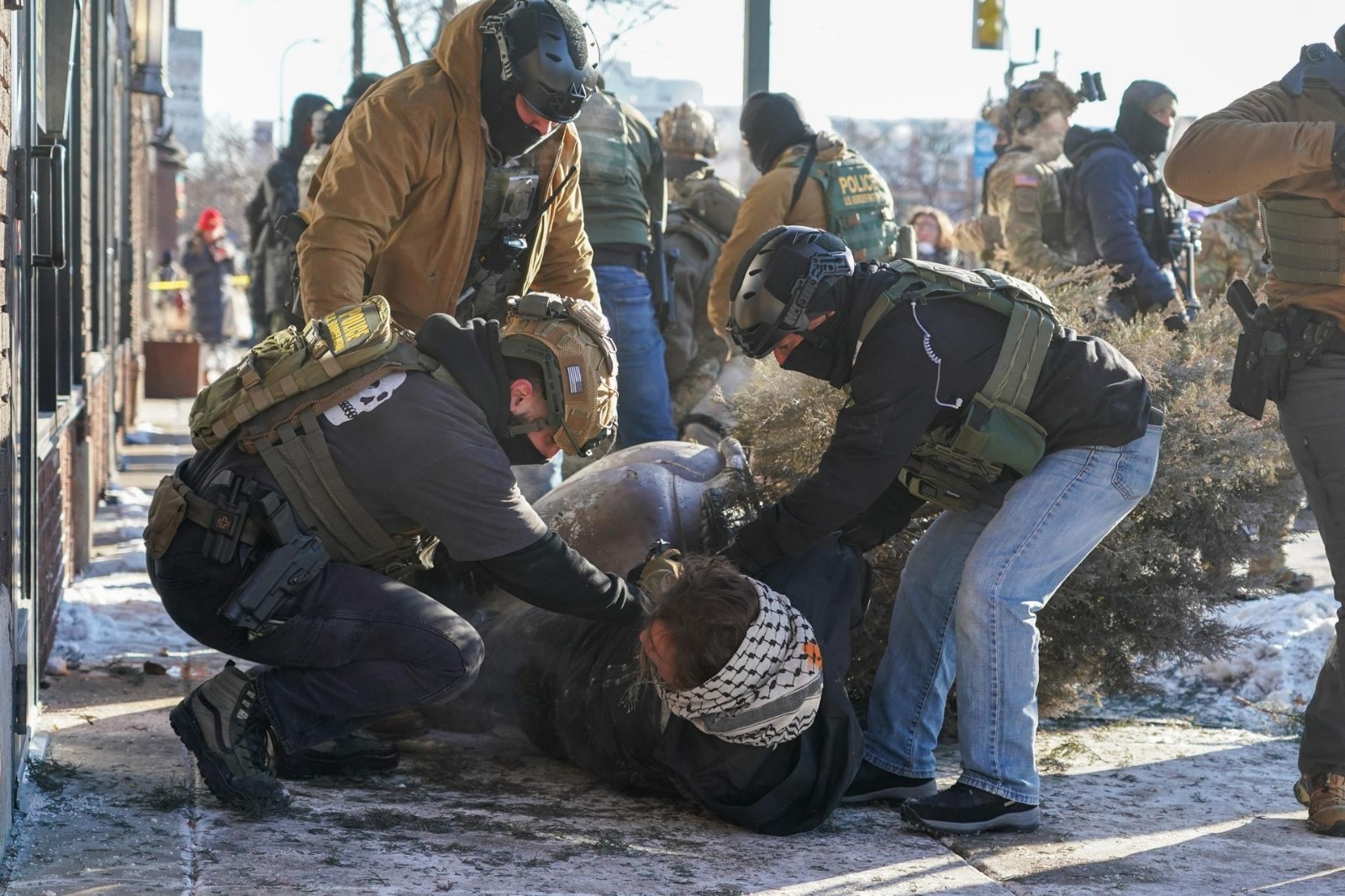
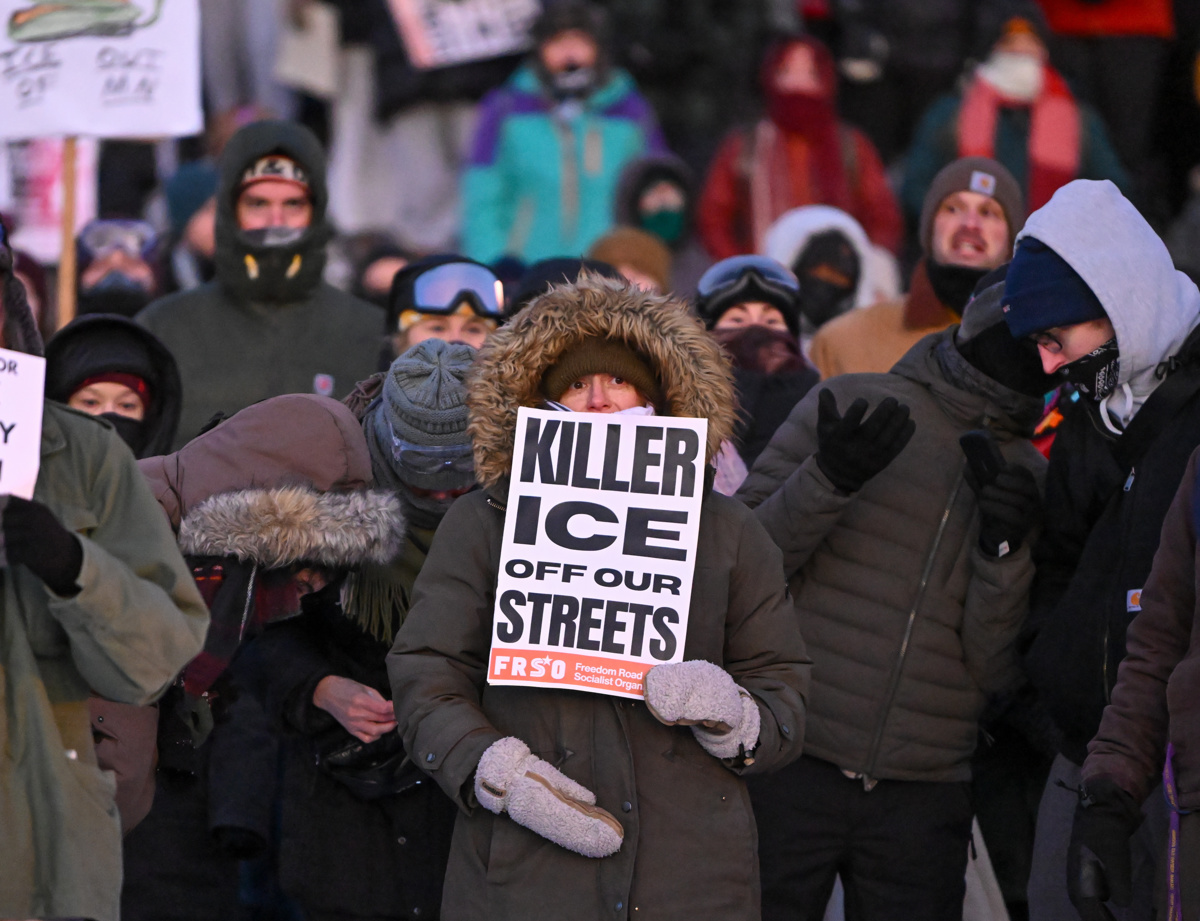
Hundreds to tens of thousands of people have taken to the streets of Minneapolis and other Minnesota cities after federal Immigration and Customs Enforcement agents fatally shot 37-year-old ICU nurse Alex Jeffrey Pretti. Both Opposition and Government-aligned sources agree that Pretti was killed by ICE agents during or around immigration-focused operations and protests, that federal officials from the Department of Homeland Security have claimed he attacked or posed a threat to agents, and that videos of the incident have circulated widely on social media. Coverage concurs that the shooting occurred against a backdrop of ongoing ICE raids and that prior deaths, including that of Renee Good, have intensified public anger, leading to large demonstrations calling for an end to abusive or terror-like tactics against immigrant and minority communities.
Across both media camps, reports situate the shooting within a broader institutional and political context involving ICE, DHS, and the current federal administration’s immigration enforcement strategies. They highlight a pattern of aggressive ICE behavior documented in multiple videos, including agents ramming a car and forcefully detaining civilians, and reference analyses by journalists such as Marcos Salgado as well as public criticism from high-profile figures like Natalie Portman and Jenna Ortega. Both sides acknowledge accusations of racialized and anti-indigenous targeting in raids, mention that Native American communities report intrusive citizenship checks at homes and workplaces, and note that the protests reflect wider discontent tied to labor struggles and civil rights rather than being limited to a single incident.
Points of Contention
Nature of the incident. Opposition outlets generally portray the shooting as occurring while Pretti tried to protect bystanders during an immigration operation, emphasizing footage that shows him intervening as agents use force but not holding a weapon. Government-aligned sources more often frame the killing as happening amid protests against ICE, with Pretti described as intervening between agents and demonstrators in a chaotic crowd situation. Both reference DHS claims that he attacked agents, but Opposition coverage foregrounds the discrepancy between that claim and videos that do not show a weapon, while Government-aligned coverage alludes to that tension without dwelling on it as strongly.
Characterization of ICE and federal policy. Opposition reporting tends to cast ICE actions as part of a deliberate campaign of mass raids ordered by the Trump administration, explicitly tying the shooting to authoritarian, anti-immigrant policy decisions. Government-aligned outlets also criticize ICE, describing its behavior as abusive and even drawing analogies to the SS, but they often embed these critiques within broader commentary by celebrities and foreign journalists rather than centering institutional culpability alone. The Opposition side focuses more directly on systemic brutality and illegality, whereas Government-aligned coverage mixes structural criticism with human-rights rhetoric and symbolic comparisons.
Framing of protests and political stakes. Opposition sources depict the protests as an immediate, organic response to Pretti’s death, with crowds demanding an end to raids and justice for the nurse specifically, and they highlight the dispute over DHS’s narrative as a catalyst for mobilization. Government-aligned outlets present the demonstrations as larger, semi-structured movements against “ICE terror” and state repression, tying them to previous deaths and broader patterns of violence and discrimination. While both acknowledge growing political organization, Opposition coverage stresses direct confrontation with current immigration policy, whereas Government-aligned reporting emphasizes long-term social, labor, and indigenous struggles.
Role of public figures and media analysis. Opposition coverage mentions official DHS statements mainly to challenge their credibility, centering eyewitness videos as the primary evidence and giving less weight to celebrity or international commentary. Government-aligned coverage gives prominent space to figures like Natalie Portman, Jenna Ortega, and journalist Marcos Salgado, using their voices to interpret the events as symptomatic of authoritarian drift in the United States. As a result, Opposition pieces read more like on-the-ground reporting contesting law-enforcement claims, while Government-aligned pieces read more like analytical or opinion-driven critiques anchored in external observers’ assessments.
In summary, Opposition coverage tends to foreground the immediate shooting, the discrepancy between DHS claims and video evidence, and the accountability of ICE and the current administration, while Government-aligned coverage tends to emphasize broader narratives of abusive state power, human-rights violations, and long-term social and political mobilization in which the Pretti case is one of several emblematic incidents.