economy
La mayor apuesta energética de Trump no está en Venezuela
El bloqueo naval de Venezuela por parte del presidente de Estados Unidos, Donald Trump, la reciente captura de su presidente, Nicolás Maduro, por parte de su administración, y los esfuerzos de Trump para ejercer control sobre las reservas petroleras del país son el tipo de movimientos unilaterales agresivos que suelen dominar los titulares de las noticias. Enmarcado por Trump como un renacimiento moderno de la Doctrina Monroe, la llamada Doctrina Donroe evoca un libro de jugadas imperial del siglo XIX centrado en asegurar territorios, eliminar adversarios desestabilizadores y apoderarse de recursos naturales.
TL;DR
- The US is employing aggressive unilateral tactics in Venezuela, framed as a modern Monroe Doctrine, focusing on oil reserves.
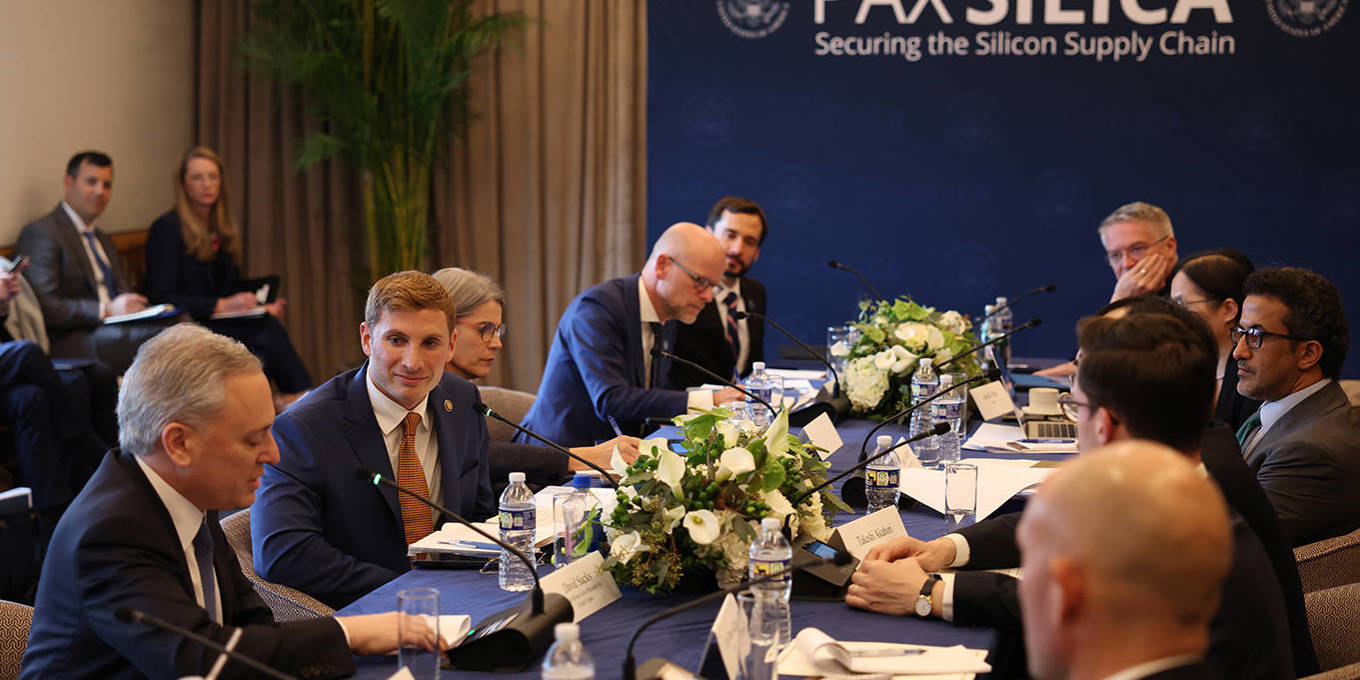
- Simultaneously, a multinational alliance called "Pax Silica" is being formed to secure the entire value chain of the AI economy.
- Pax Silica aims to build industrial architecture to withstand future shocks, contrasting with the immediate geopolitical goals in Venezuela.
- The Venezuela intervention is framed as a military operation for energy security, though public focus is heavily on oil.
- Venezuelan oil is deemed a problematic asset due to obsolescence and a well-supplied market, offering limited strategic advantage to the US.
- Pax Silica recognizes that energy dominance now includes computational power derived from energy and raw materials.
- The alliance, initially comprising several Western and Asian nations, aims to control AI supply chains from mineral extraction to data centers.
- Unlike the unilateral Monroe Doctrine, Pax Silica distributes risk and leverages comparative advantage, mirroring China's industrial strategies.
- Pax Silica integrates supply and demand, connecting raw material sources to manufacturing, reducing investor uncertainty.
- This approach breaks from neoliberal belief in efficient markets, advocating for active coordination to compete with state-led economies.
- For Pax Silica's success, diplomatic and economic commitment, similar to the Venezuela intervention's political enthusiasm, is needed.
- Key requirements for Pax Silica include substantial capital investment, expansion to close capacity gaps (e.g., integrating Taiwan for chip manufacturing), and effective execution against predatory pricing.
- Including nations like Canada, Vietnam, and India is crucial for resource and labor capacity.
- The alliance invests in future growth engines, offering a more durable basis for global influence than controlling questionable oil reserves.