history
Andrea Martínez Baracs: “Los tlaxcaltecas no fueron conquistados, fueron conquistadores”
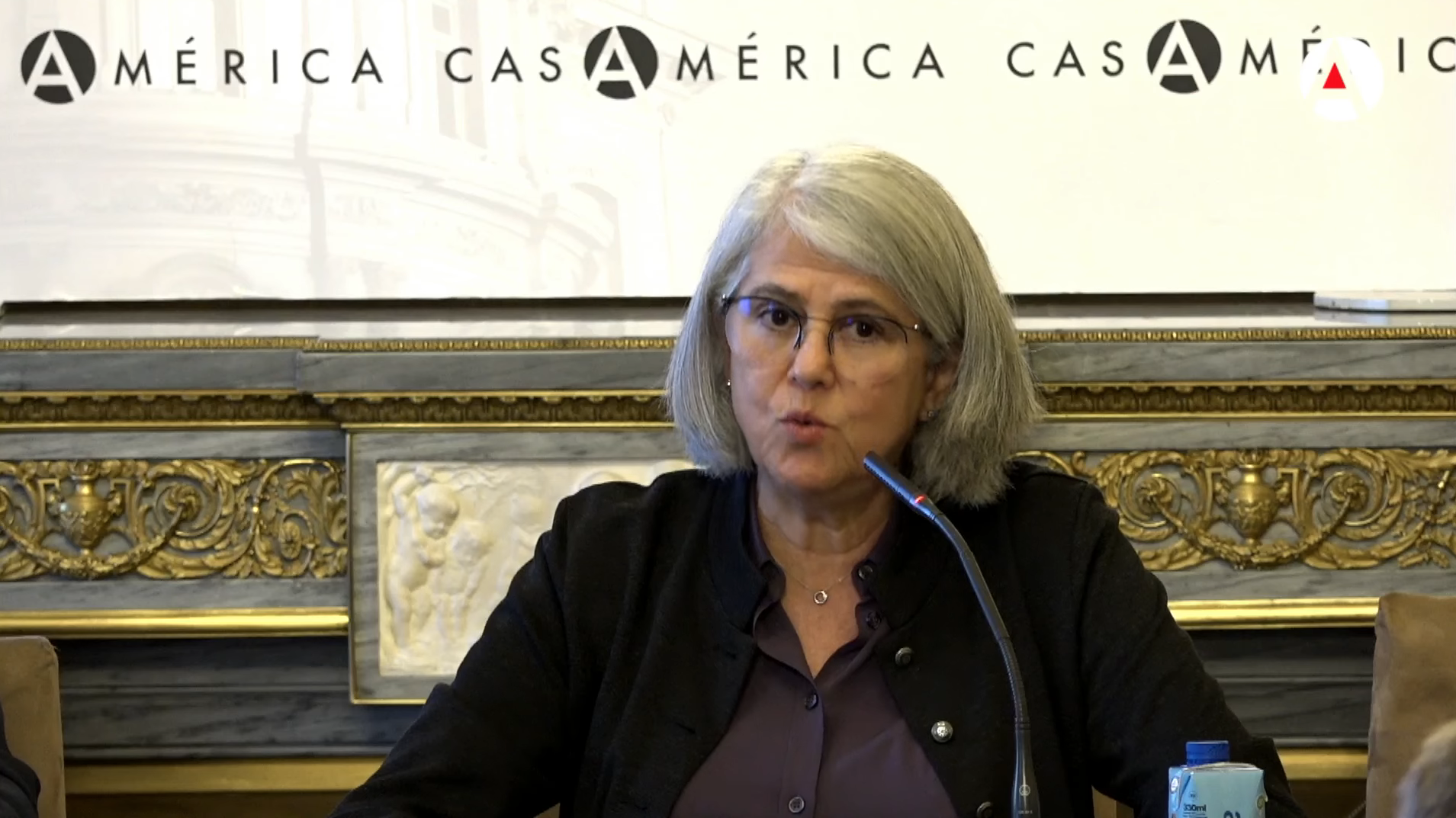
Entre legajos, códices digitalizados y viejas ediciones de cronistas, Andrea Martínez Baracs lleva décadas escuchando la voz de los pueblos indígenas del México del siglo XVI. Doctora por el Colegio de México y especialista en historia indígena mesoamericana, ha dedicado buena parte de su obra a Tlaxcala, esa provincia marcada por el estigma de la “traición” en el imaginario nacional, pero que, leída en sus propios documentos, se reivindica como actor político de primer orden.
TL;DR
- Andrea Martínez Baracs, a historian specializing in Mesoamerican indigenous history, focuses on Tlaxcala's role in 16th-century Mexico.
- Recent historiography, particularly in the US, debates whether the conquest was more an indigenous or Spanish affair.
- Tlaxcalans considered themselves 'conquerors' allied with the Spanish, not conquered people, seeking privileges.
- Their support was crucial for the Spanish victory, providing troops, supplies, and logistical aid, including building ships for the siege of Tenochtitlan.
- The Spanish colonial model, unlike English or Belgian ones, acknowledged the rights of the conquered and led to laws like the Leyes Nuevas.
- Martínez Baracs advocates for a nuanced understanding of Tlaxcala's agency, distinguishing indigenous elite actions from imperial structures.
- She founded the Biblioteca Digital Mexicana to democratize access to historical sources.
- The challenge for new historians is to imaginatively use available sources to avoid repeating well-trodden paths.