music
febrero 1, 2026
Springsteen contra Trump
Bob Dylan, el más talentoso y también el más listo, escapó espantado cuando la izquierda quiso convertirlo en hombre-pancarta tras escribir algunas canciones protesta. Se hizo eléctrico, psicodélico, moderno –y drogota– y se ganó la furia de la progresía. En 1965, se presentó con su flamante versión de gato erizado en el Festival de Newport, la meca de los cantautores de monserga y guitarra de palo. El cabreo fue tal que el santón folk Pete Seeger gritaba desesperado: «¡Dadme un hacha y le corto el cable!». Seeger no había entendido que los tiempos estaban cambiando. Siempre están cambiando. Aunque las pasiones humanas son exactamente las mismas: amor, odio, sexo y codicia, y al fondo, la infinita paciencia de Dios.
TL;DR
- Bob Dylan famously defied the expectations of the left by embracing electric music and a more complex artistic persona.
- Bruce Springsteen is described as a more complete singer with a strong stage presence, but lacking Dylan's poetic reach.
- Both Dylan and Springsteen are seen as embodiments of the American dream, rising from humble beginnings.
- Their upbringings differed significantly: Springsteen's Catholic, Italian-descended background with a father with paranoid schizophrenia, versus Dylan's Jewish-Ukrainian ancestry and middle-class upbringing.
- Dylan's career took him from college dropout to folk messiah to a more elusive figure, while Springsteen progressed from local bands to rock stardom.
- In old age, Dylan remains elusive, though his recent work is praised, while Springsteen delivers expected performances and has undergone cosmetic changes, befriending Obama.
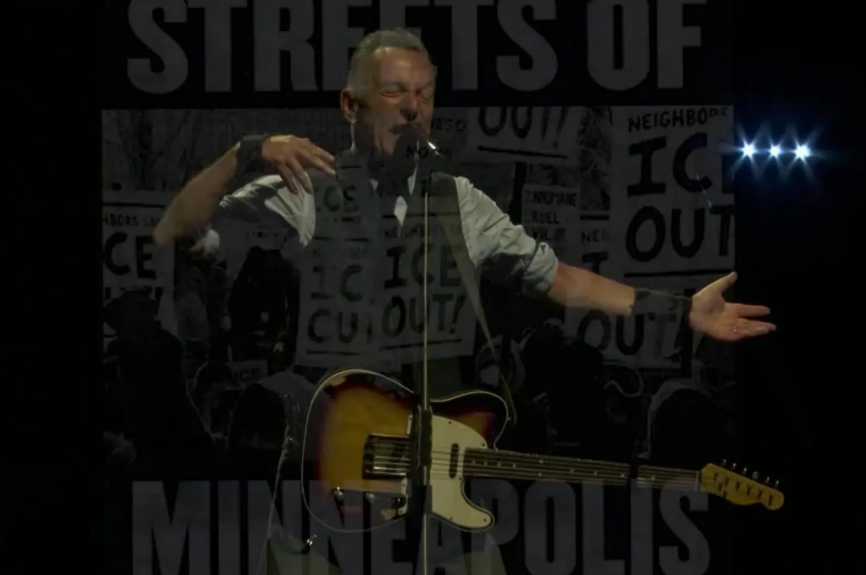
- Springsteen's new protest song 'Streets of Minneapolis' addresses police brutality, but the author questions if he fully understands the issues.
- The article critiques Obama's presidency, suggesting his policies contributed to the alienation of the working class, leading them to Trump.
- The author implies Dylan, with his skeptical outlook, would offer a more nuanced perspective on contemporary events.