economy
Paraísos generados con IA y falsos peligros: la desinformación que impacta al turismo
Una página de viajes promociona las Termas de Caracalla, una de las tantas atracciones turísticas de Roma, con una imagen que muestra a turistas […]
TL;DR
- AI-generated images are used to promote tourist destinations, creating false expectations.
- Synthetic content and disinformation pose economic and reputational threats to the tourism sector.
- Misleading information often relates to economic aspects and can lead to scams.
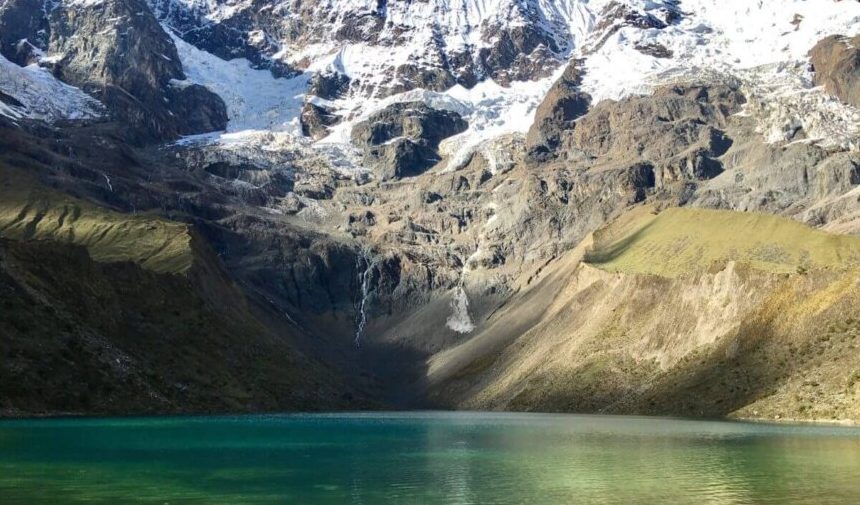
- Examples include a fictitious hiking location in Peru and a non-existent cable car in Malaysia.
- Fake videos of large waves in Cancun and false reports of shark attacks in Costa del Sol have circulated.
- British press reported on drug gangs in Benidorm without local confirmation.
- Signs in Mallorca falsely warned of beach closures or jellyfish to deter tourists.
- The '7 flights' scam involved influencers promoting a fake travel agency.
- Solutions include users verifying information from official sources and companies investing in transparency and brand monitoring.